Dental Bridge Countryside, IL
Missing teeth can affect more than just how your smile looks. Even one missing tooth can make it harder to chew, impact how you speak, and cause nearby teeth to shift over time.
A dental bridge is a reliable and time-tested way to fill those gaps and restore both function and appearance.
At Your Dentistry, Dr Tony Cascino has over 40 years of experience helping patients regain confident, complete smiles. His approach focuses on restoring balance to your bite while ensuring your results look natural and feel comfortable.
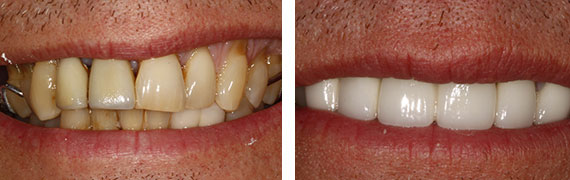
Dental Bridges Before & Afters
What Is a Dental Bridge?
A dental bridge is a custom made restoration that replaces one or more missing teeth by anchoring artificial teeth to the surrounding natural teeth or dental implants.
The “bridge” fills the space where teeth are missing, helping restore your ability to:
- Chew comfortably
- Speak clearly
- Smile with confidence
Once placed, a bridge is fixed in position and designed to feel like part of your natural smile.
What Happens If Missing Teeth Are Not Replaced?
Many patients wait to replace missing teeth, especially if the gap is not highly visible. However, over time, this can lead to additional problems. Missing teeth can cause:
- Shifting of nearby teeth
- Bite imbalance and uneven wear
- Jaw discomfort or strain
- Difficulty chewing certain foods
- Changes in facial appearance over time
Replacing missing teeth early helps maintain the alignment and health of your entire smile.
Are You a Candidate for a Dental Bridge?
You may be a good candidate for a dental bridge if you have:
- One or more missing teeth
- Difficulty chewing or speaking due to gaps
- Teeth that are shifting into open spaces
- Bite issues or jaw discomfort related to missing teeth
- Healthy teeth or implants to support the bridge
Dr Cascino will evaluate your oral health and help determine if a bridge is the best solution for your situation.

Best Dentists”
Benefits of Dental Bridges
Dental bridges offer both functional and cosmetic benefits.
Key advantages:
- Restores your smile
Closes gaps and improves overall appearance. - Improves chewing and speaking
Helps restore normal function. - Prevents teeth from shifting
Maintains proper alignment of your remaining teeth. - Supports a balanced bite
Reduces uneven pressure and wear on teeth. - Custom fit for comfort
Designed specifically for your mouth.
Types of Dental Bridges
There are several types of dental bridges, and the right option depends on your individual needs
Traditional fixed bridge
This is the most common type.
- Anchored to crowns placed on the teeth next to the gap
- Strong and reliable
- Suitable when healthy adjacent teeth are present
Maryland bonded bridge
Often used for front teeth.
- Uses a framework attached to the back of neighboring teeth
- More conservative, with less alteration of surrounding teeth
Cantilever bridge
Used in specific situations.
- Anchored on one side of the gap
- Typically recommended when only one adjacent tooth is available
Implant supported bridge
Used when multiple teeth are missing or no natural teeth are available for support.
- Anchored by dental implants
- Does not rely on neighboring teeth
- Offers excellent stability and long term support
The Dental Bridge Process What to Expect
Dental bridges are typically completed in two visits.
First Visit Preparation
- The supporting teeth are prepared for crowns if needed
- Impressions or digital scans are taken
- A temporary bridge may be placed
Second Visit Placement
- The custom bridge is fitted and adjusted
- The bridge is securely bonded in place
- Your bite is checked for comfort and function
Once complete, your bridge will look and function like natural teeth.
How Long Do Dental Bridges Last?
With proper care, dental bridges can last 10 years or longer. To maintain your bridge:
- Brush and floss daily
- Keep regular dental visits
- Avoid chewing on very hard objects
- Maintain healthy gums
Good oral hygiene is essential to protecting both the bridge and the supporting teeth.
Dental Bridge vs Dental Implant
Patients often ask whether a bridge or dental implant is the better option.
Dental bridges:
- Faster treatment timeline
- Do not require surgery
- Use surrounding teeth for support
Dental implants:
- Do not rely on neighboring teeth
- Help preserve jawbone
- Often last longer
Dr Cascino will walk you through both options so you can make the best decision for your needs and goals.
Why Choose Dr Tony Cascino?


Association

Conscious Sedation

Kois Center

Implant Institute
Restoring missing teeth requires careful planning to ensure long term success.
What sets our office apart:
- Over 40 years of experience
Dr Cascino has restored countless smiles with bridges and other solutions. - Personalized treatment planning
Every case is tailored to your specific dental needs. - Focus on function and aesthetics
Your bridge will look natural and feel comfortable. - High quality materials
We use durable materials designed for long lasting results.
Frequently Asked Questions
Will a dental bridge look natural?
Yes. Bridges are designed to match the color and shape of your natural teeth.
Is getting a bridge painful?
The procedure is typically comfortable, and local anesthesia is used when needed.
Can I eat normally with a bridge?
Yes. Once adjusted, you should be able to eat most foods comfortably.
How do I clean a dental bridge?
Special flossing tools or techniques may be recommended to clean underneath the bridge.
Is a bridge permanent?
Yes. Bridges are fixed in place and are not removable like dentures.
Schedule Your Appointment Today!
Missing teeth can impact your daily life more than you may realize. A dental bridge offers a reliable way to restore both function and appearance so you can eat, speak, and smile with confidence again. The best way to know if a dental bridge is right for you is to schedule a consultation and explore your options.
We work with you to find a payment solution that fits your budget — including financing options, insurance filing, and flexible plans to make quality dental care affordable.